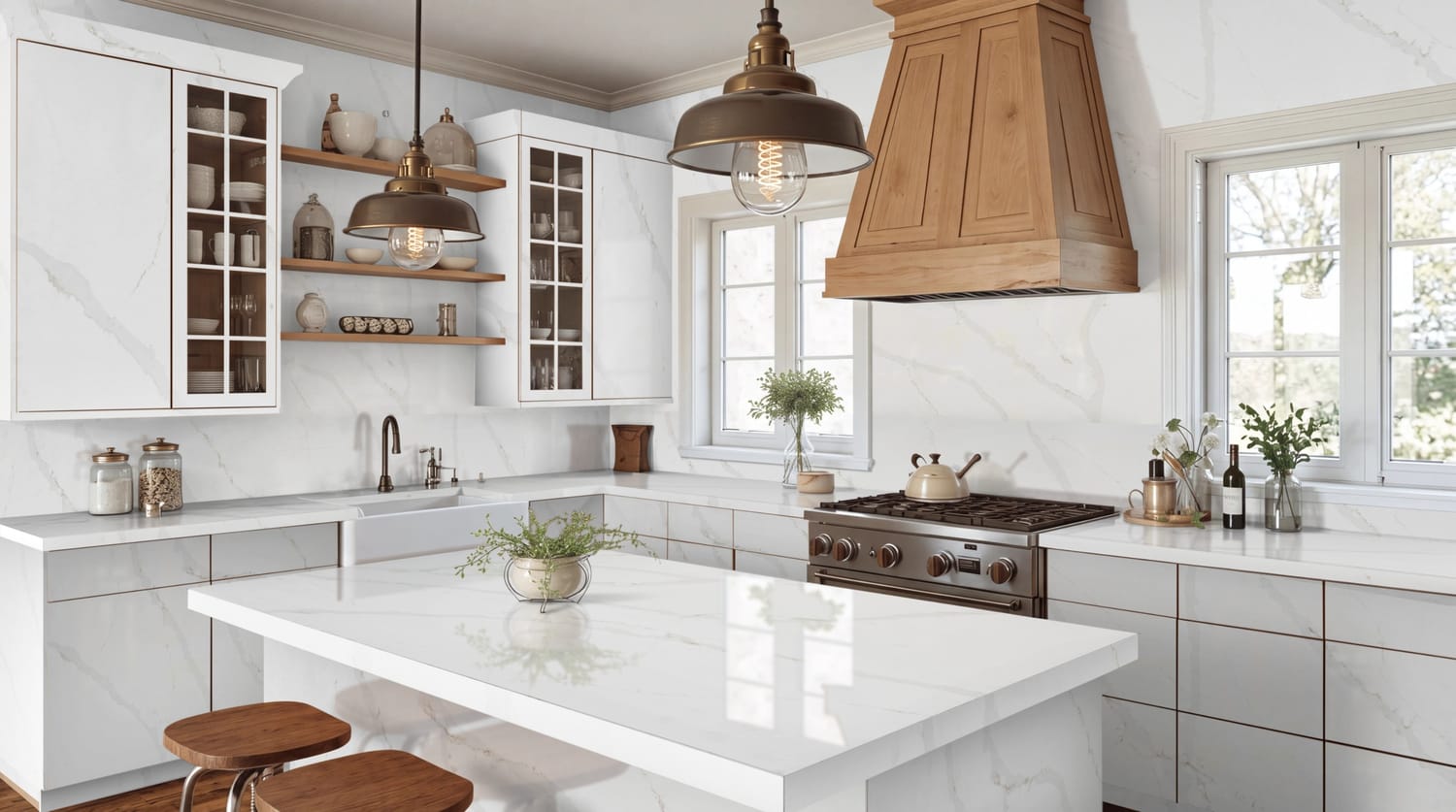
What Is Engineered Quartz? A Complete Guide to Quartz Surfaces
When choosing a surface for a kitchen, bathroom, hospitality space or architectural project, you will come across many different materials — from natural marble and granite to modern engineered surfaces.
Among these options, engineered quartz has become an increasingly popular choice for contemporary interiors because it combines design flexibility with the practical requirements of everyday spaces.
But what exactly is engineered quartz? How is it made? What are engineered quartz slabs used for? And how do you choose the right quartz surface for your project?
This guide explains everything you need to know about engineered quartz surfaces.
What Is Engineered Quartz?
Engineered quartz is a manufactured surface made using natural quartz mineral combined with binders, pigments and other components. The mixture is processed and compacted to create dense slabs that can be fabricated for different interior applications.
Quartz itself is a naturally occurring mineral and is one of the hardest common minerals. In an engineered quartz surface, this natural mineral becomes part of a carefully manufactured material designed for consistency in appearance, performance and fabrication.
This is why engineered quartz is sometimes described as a man-made or engineered stone, even though natural quartz is an important component of the material.
Unlike natural stone, where every slab is formed through geological processes, engineered quartz can be developed with greater control over colours, patterns, textures and overall visual consistency.
How Is Engineered Quartz Made?
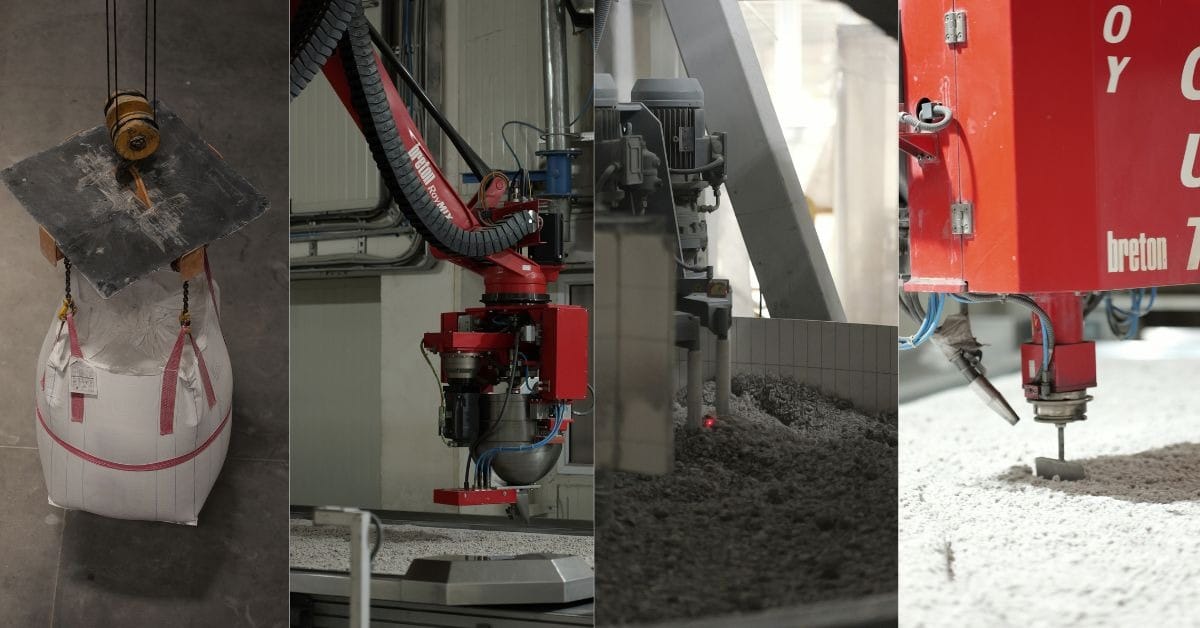
The manufacturing process can vary between manufacturers, but the basic principle involves combining selected quartz mineral with other ingredients and processing the mixture into slabs.
A simplified process includes:
1. Selection of Raw Materials
The process begins with carefully selected raw materials. Natural quartz provides an important mineral component, while other ingredients help achieve the required colour, appearance and performance characteristics.
2. Mixing
The selected materials are combined in controlled proportions. Pigments and binders can be incorporated to achieve specific colours and visual effects.
3. Slab Formation and Compaction
The mixture is formed into slabs and compacted using industrial manufacturing equipment. This helps create a dense and consistent surface.
4. Curing and Processing
The slabs undergo controlled processing to develop the required physical characteristics.
5. Surface Finishing
Once the slab has been processed, the surface can be finished and polished according to the desired appearance.
The result is an engineered quartz slab that can subsequently be cut and fabricated for specific applications.
Modern manufacturing technology also allows manufacturers to create a wide range of colours, patterns and surface designs.
What Are Engineered Quartz Slabs?
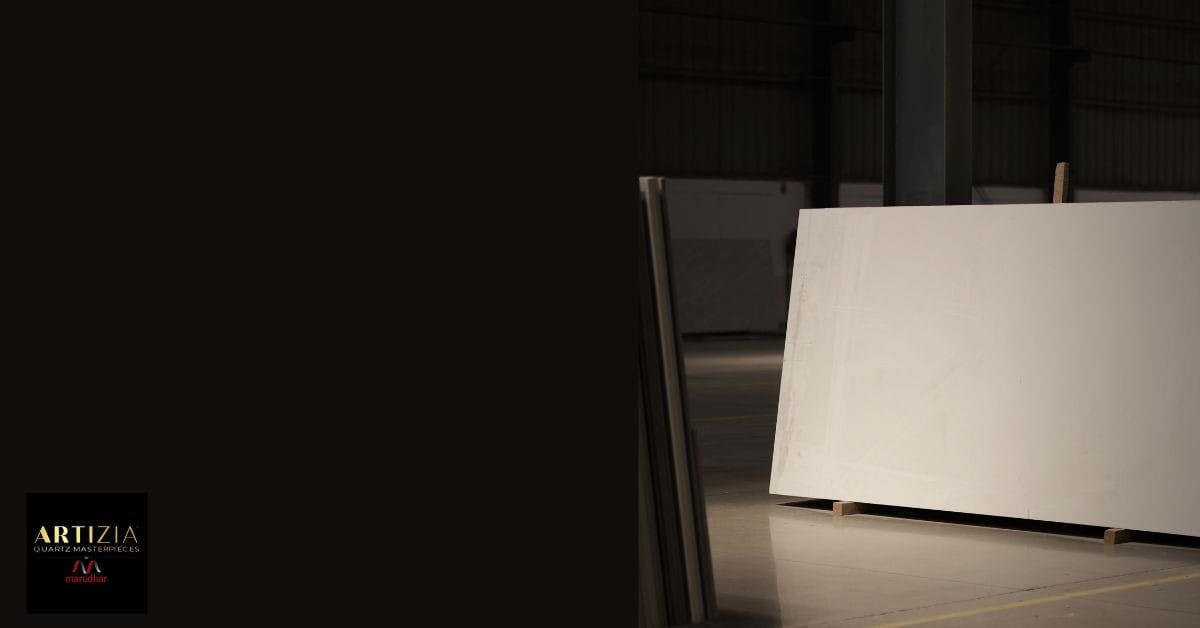
An engineered quartz slab is the large-format sheet produced during the manufacturing process.
These slabs are then fabricated according to the requirements of a project.
Depending on the manufacturer and collection, quartz slabs can be available in different dimensions, thicknesses, colours and finishes. Larger slab formats can also help designers and fabricators plan expansive surfaces while managing joins according to the application.
For architects, interior designers and project developers, slab size is an important consideration because the dimensions of the slab can influence design possibilities, fabrication requirements and the placement of seams.
Why Is Engineered Quartz Popular?
One of the biggest advantages of engineered quartz is the combination of design flexibility and practical performance.
Quartz surfaces are available in a broad range of colours and patterns, from subtle solid tones to designs inspired by natural marble and other stones.
This gives architects and designers greater freedom when creating contemporary interiors.
Some commonly considered characteristics of engineered quartz surfaces include:
- Consistent appearance
- Wide design and colour selection
- Dense surface structure
- Low-maintenance requirements
- Suitability for countertop applications
- Availability in different slab formats
- Compatibility with residential and commercial interiors
However, the actual performance of a quartz surface depends on its specific formulation, manufacturing process, installation and the manufacturer's care recommendations.
Engineered Quartz vs Natural Stone
One of the most common questions is whether engineered quartz is better than natural stone.
The answer depends on the project.
Natural stones such as marble and granite are geological materials with naturally occurring variations. Each slab can have its own veining, colour movement and character.
Engineered quartz, on the other hand, is manufactured. This provides greater control over the final appearance and allows manufacturers to develop repeatable designs.
Natural Stone
- Naturally formed
- Unique variation from slab to slab
- Distinct geological character
- Different stones have different maintenance requirements
Engineered Quartz
- Manufactured using natural quartz and other components
- Greater control over colour and pattern
- Consistent design possibilities
- Available in a wide range of contemporary styles
Neither approach is universally right for every project. The appropriate surface depends on the design concept, application, performance requirements and maintenance expectations.
Engineered Quartz Countertops
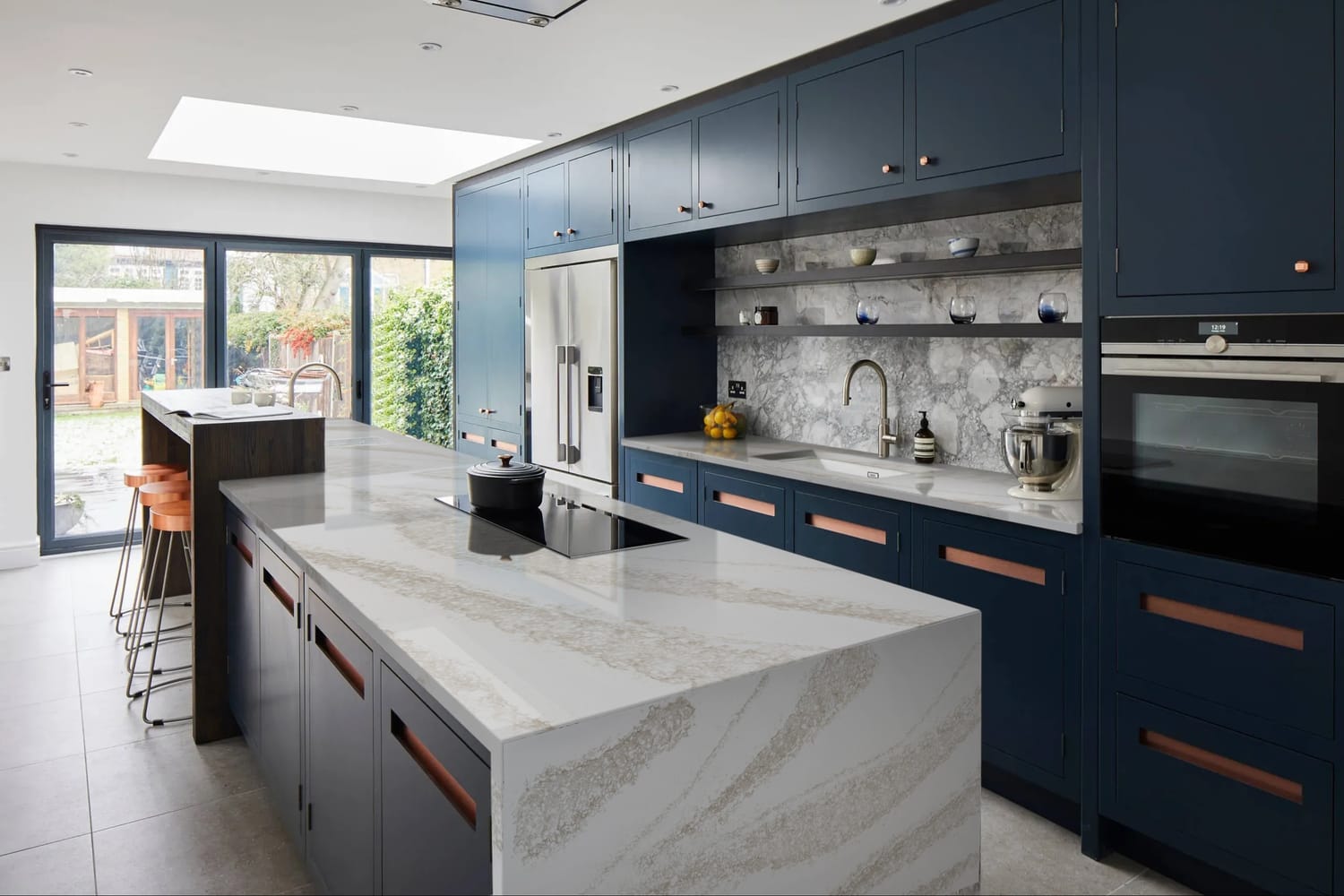
One of the most common applications for engineered quartz is countertops.
Engineered quartz countertops can be used in:
- Residential kitchens
- Kitchen islands
- Bathroom vanities
- Hospitality spaces
- Restaurants
- Retail interiors
- Commercial spaces
- Other interior applications
The popularity of quartz countertops comes partly from the combination of design flexibility and practical characteristics offered by engineered surfaces.
Before selecting a countertop material, however, it is important to consider the specific requirements of the installation, including dimensions, edge details, fabrication, heat exposure, cleaning and maintenance.
Always follow the recommendations provided by the surface manufacturer.
Where Can Engineered Quartz Be Used?
Engineered quartz is not limited to kitchens.
Depending on the product specification and application requirements, quartz surfaces can be considered for a variety of interior spaces.
Kitchens
Quartz is widely used for kitchen countertops, islands and other surfaces where a combination of design and everyday practicality is required.
Bathrooms
Quartz can be used for vanity tops and other interior surfaces where its appearance complements the overall design.
Hospitality
Hotels, restaurants and hospitality spaces often require surfaces that combine visual impact with practical considerations.
Commercial Interiors
Offices, retail spaces and other commercial environments can use engineered quartz to create a consistent material language throughout an interior.
Residential Projects
From luxury residences to contemporary apartments, engineered quartz provides architects and designers with a wide range of design possibilities.
For larger projects, surface selection should be considered early in the design process so that slab dimensions, fabrication, quantities and installation requirements can be properly coordinated.
What Makes a Premium Quartz Surface?
Not every quartz surface is the same.
When selecting a premium quartz surface, it is important to look beyond colour and pattern.
Consider factors such as:
Manufacturing Quality
Consistent manufacturing processes are important for achieving predictable slab quality and appearance.
Design
The surface should complement the overall architectural and interior design concept.
Slab Size
Larger formats can provide additional design possibilities depending on the project.
Fabrication
The slab should be suitable for the fabrication requirements of the intended application.
Quality Control
A reliable manufacturer should have appropriate processes for monitoring the quality and consistency of its products.
Technical Information
Architects, designers and fabricators should have access to clear information about the material, its applications and recommended care.
How to Choose an Engineered Quartz Surface
Choosing a quartz surface should begin with the project rather than simply the colour.
Ask these questions before making a selection:
1. Where will the surface be used?
Kitchen, bathroom, hospitality, commercial or another application?
2. What visual effect are you looking for?
Minimal, marble-inspired, dramatic veining, neutral or bold?
3. What slab size is required?
Large-format slabs can influence layout and fabrication planning.
4. What finish is appropriate?
Different finishes can create significantly different visual effects.
5. Who is manufacturing the surface?
Look at the manufacturer's technology, quality processes, experience and product information.
6. What does the manufacturer recommend for care and maintenance?
Following the manufacturer's instructions is essential for maintaining the surface properly.
Calacatta Quartz and Marble-Inspired Designs
One of the most popular design directions in engineered quartz is the use of marble-inspired patterns.
Calacatta quartz is particularly popular in contemporary kitchens, bathrooms and luxury interiors because it can recreate the visual language of dramatic white marble with bold veining.
These designs can work particularly well with:
- Minimal kitchens
- Luxury kitchen islands
- Contemporary bathrooms
- Hospitality interiors
- Feature walls
- High-end residential projects
For designers looking for the appearance of marble while considering an engineered surface, Calacatta-inspired quartz designs can be an interesting option.
How to Maintain Engineered Quartz
Maintenance requirements depend on the specific product, so the manufacturer's recommendations should always take priority.
For everyday care, manufacturers commonly recommend using appropriate mild cleaning products and avoiding unsuitable abrasive or harsh chemicals. Proper care helps preserve the appearance of the surface over time.
For any specific cleaning issue, stain or chemical exposure, consult the product manufacturer's care guidelines rather than assuming that every quartz surface has identical requirements.
Is Engineered Quartz Suitable for Large Projects?
Engineered quartz can be considered for projects ranging from individual residences to hospitality and commercial developments.
For larger projects, however, material selection involves more than choosing a design.
Architects, designers and project teams should consider:
- Required slab quantities
- Slab dimensions
- Thickness
- Colour consistency
- Fabrication requirements
- Installation
- Lead times
- Availability
- Technical documentation
- Supplier and manufacturer capability
Working with an experienced quartz manufacturer or supplier can help project teams coordinate these requirements more effectively.
Why the Manufacturer Matters
When purchasing engineered quartz, the surface itself is only one part of the decision.
The manufacturer behind the product matters because manufacturing technology, raw material selection, quality control, design development and slab processing can all influence the final product.
For architects and designers working on important projects, it is therefore worth looking beyond the sample and understanding:
- Where the slabs are manufactured
- What technology is used
- How quality is controlled
- What slab formats are available
- What applications are recommended
- What technical support is provided
- Whether the supplier can support project requirements
Engineered Quartz for Modern Architecture
Today, surface materials are increasingly becoming part of the architectural language of an interior.
A countertop is no longer simply a functional element. The colour, veining, scale and finish of a surface can influence the character of an entire space.
This is where engineered quartz provides designers with an interesting balance between material aesthetics, controlled manufacturing and practical application.
From understated surfaces to dramatic Calacatta-inspired designs, engineered quartz gives architects and designers a broad material palette for contemporary interiors.
Artizia: Engineered Surfaces for Contemporary Spaces
At Artizia, engineered surfaces are approached from the perspective of design, technology and architecture.
As a quartz surface brand from the house of Marudhar, Artizia combines manufacturing experience with advanced technology to create surfaces for contemporary residential, commercial and architectural applications.
Our approach focuses on developing surfaces that bring together visual character, manufacturing precision and the requirements of modern projects.
From engineered quartz slabs and kitchen countertops to hospitality and commercial applications, the objective is to create surfaces that become an integral part of the architecture rather than simply an additional material.
Frequently Asked Questions
Is engineered quartz natural or artificial?
Engineered quartz is a manufactured surface that incorporates natural quartz mineral along with binders, pigments and other components. The manufacturing process gives greater control over the final appearance and characteristics of the slab.
Is engineered quartz the same as natural quartz?
No. Natural quartz is a mineral found in nature. Engineered quartz is a manufactured surface that uses quartz mineral as a key component along with other materials.
Are engineered quartz slabs suitable for kitchen countertops?
Engineered quartz is widely used for countertop applications. However, suitability depends on the specific product, installation and manufacturer's recommendations.
What is Calacatta quartz?
Calacatta quartz refers to engineered quartz designs inspired by the appearance of Calacatta marble, typically featuring a light background with distinctive veining.
How do I choose a quartz manufacturer?
Consider manufacturing experience, quality control, technology, slab availability, design range, technical information, project support and after-sales service.
Is engineered quartz suitable for commercial projects?
Engineered quartz can be used across many residential, hospitality and commercial interior applications. The appropriate product should be selected according to the specific project's technical and design requirements.
Final Thoughts
Engineered quartz has changed the way designers approach interior surfaces. By combining natural quartz mineral with controlled manufacturing, engineered surfaces offer a broad range of design possibilities for contemporary architecture.
Whether you are selecting a surface for a kitchen countertop, luxury residence, hotel, commercial space or larger architectural project, understanding the material before making a decision is essential.
The right engineered quartz surface is not simply about choosing a colour. It is about considering design, manufacturing quality, slab format, application, fabrication and long-term care together.
For architects, designers and project teams, that broader perspective can help turn a surface material into an intentional part of the overall design.